

England rugby legend Lewis Moody reveals his motor neurone disease diagnosis — inspiring fans with courage, faith, and the unstoppable Mad Dog spirit.
Lewis Moody Diagnosed with Motor Neurone Disease: Rugby World Mourns, but “Mad Dog” Stays Unbroken
The rugby world was struck with heartbreak and admiration this week as former England captain Lewis Moody, one of the icons of the 2003 Rugby World Cup triumph, revealed that he has been diagnosed with motor neurone disease (MND). At just 47, the man known affectionately as “Mad Dog” for his ferocious, never-say-die playing style now faces one of life’s toughest battles — and, true to character, he’s meeting it head-on with courage, humor, and gratitude.
A Hero’s Heartbreaking Revelation
In a deeply emotional interview with the BBC, Moody confirmed that he received his diagnosis only a few weeks ago. “It’s something I’m still processing,” he shared. “I know what the future holds, but I’m focused on my family, my health, and making the most of every single day.”
Despite the gravity of his condition, Moody remains physically strong and remarkably upbeat. He described only mild weakness in his shoulder and hand but emphasized that he’s still active and feeling well. “It’s strange — I don’t feel ill. I can still train, play with my kids, walk the dog, and live normally. I just hope that continues for as long as possible.”
His honesty and optimism have already inspired millions across the rugby community — a reminder that even off the pitch, Moody’s fearless spirit burns just as brightly.
Family, Faith, and Resilience
For Moody, the hardest part wasn’t hearing the diagnosis — it was sharing it with his wife, Annie, and their sons, Ethan and Dylan. “It was the hardest thing I’ve ever had to do,” he admitted. “We sat there crying together — even the dog climbed up to comfort us. But after that, we decided as a family that we’d live with hope, not fear.”
Friends describe Moody as a devoted family man with a deep sense of faith and gratitude. Rather than retreat from public life, he’s chosen to raise awareness, determined to use his platform to help others fighting MND and related neurological conditions.
What Is Motor Neurone Disease?
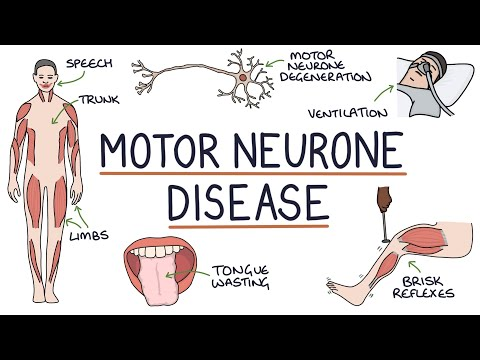
Motor neurone disease (MND) — also known as amyotrophic lateral sclerosis (ALS) — is a progressive condition that affects the brain and spinal cord. It gradually damages the nerves responsible for muscle movement, leading to weakness, difficulty speaking, and eventually challenges with breathing and swallowing.
While there is currently no known cure, treatments such as riluzole and non-invasive ventilation can slow progression and improve quality of life. Research breakthroughs — many supported by the sports community — continue to bring hope for future therapies.
MND has tragically impacted several rugby greats, including Rob Burrow, Doddie Weir, and Ed Slater, all of whom have used their diagnoses to inspire awareness and raise millions for research. Moody’s announcement places him among these courageous figures, united in purpose and resilience.
“Mad Dog” on the Field — A Legacy of Grit
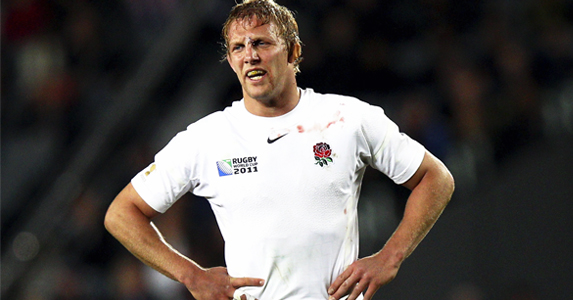
Nicknamed “Mad Dog” for his fearless tackling and relentless drive, Lewis Moody was the embodiment of commitment and intensity during his rugby career. A Leicester Tigers legend, he won 71 caps for England and played a pivotal role in the country’s historic 2003 Rugby World Cup victory.
Fans will never forget the moment Moody secured a crucial lineout in the dying moments of the World Cup final against Australia — setting up Jonny Wilkinson’s legendary drop goal that clinched the title. That moment cemented his place among England’s all-time greats.
Beyond his skills, Moody’s leadership and sportsmanship defined him. Former teammates describe him as “a man who gave everything — for his team, for his country, and now, for his fight.”
Rugby World Unites Behind Moody
Tributes have poured in from around the globe. The Rugby Football Union (RFU) called Moody “a true warrior of English rugby and an inspiration to every player who wore the shirt after him.”
RFU CEO Bill Sweeney added: “Lewis represents everything we love about the sport — courage, humility, and resilience. Our entire rugby family stands with him and his loved ones.”
Former teammates, including Jonny Wilkinson, Martin Johnson, and Ben Kay, shared heartfelt messages on social media, praising Moody’s courage and unwavering positivity. Rugby clubs from New Zealand to South Africa have posted messages of solidarity under the hashtag #MadDogStrong.
Expanding His Legacy: The Lewis Moody Foundation
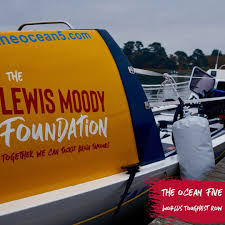
Since retiring, Moody has dedicated much of his time to philanthropy. His Lewis Moody Foundation, originally focused on brain tumor awareness, has already raised over a million pounds for research and family support initiatives.
Now, Moody and his wife plan to expand the foundation’s mission to include motor neurone disease awareness, funding research, and supporting patients and families affected by the condition.
“I’ve been lucky to have an amazing career and an amazing life,” Moody reflected. “If my story can help raise money, drive research, or give someone strength on a bad day — that’s what matters.”
Strength in Adversity: The “Mad Dog” Spirit Lives On
Moody’s defiance in the face of adversity mirrors his playing days — fierce, focused, and fearless. As he adjusts to life with MND, he continues to train lightly, stay active with his kids, and advocate for awareness through interviews and appearances.
Sports psychologists note that athletes like Moody often face illness with extraordinary mental resilience, forged by years of competition, discipline, and teamwork. “He’s channeling the same mindset that made him one of rugby’s toughest players,” said one RFU health advisor.
The story of Lewis Moody is not one of defeat — it’s one of hope, strength, and community. His journey is inspiring a new wave of fundraising and awareness across rugby clubs and fan bases worldwide.
Global Impact and the Future of MND Awareness
Following similar campaigns by Rob Burrow and Doddie Weir, Moody’s announcement is already driving renewed public attention toward MND charities, including the MND Association and My Name’5 Doddie Foundation. Social media mentions of “Motor Neurone Disease” spiked over 400% within hours of Moody’s interview airing.
Health organizations praised Moody’s courage, noting that public figures who share their diagnoses help accelerate medical funding and research progress. In many ways, his bravery is helping others before his own fight has even begun.
A Message of Gratitude and Love
In his closing message to fans, Moody shared words that resonated across the sporting world:
“I’ve lived a blessed life. Rugby gave me everything — teammates, memories, purpose. If my journey helps others find hope, then that’s a victory I’ll take every day.”
As tributes pour in from fans and legends alike, one thing is clear — Lewis Moody may have left the pitch years ago, but his spirit of determination, leadership, and heart continues to inspire millions.
The rugby world mourns, but the Mad Dog refuses to back down.
#LewisMoody #MND #MotorNeuroneDisease #ALS #EnglandRugby #RugbyNews #RugbyWorldCup #RugbyLegends #MadDog #SportsHealth #StayStrongLewis #MNDResearch #AthleteHealth #RugbyCommunity #Inspiration
Frequently Asked Questions (FAQs)
1. What is Motor Neurone Disease (MND)?
MND is a progressive neurological condition that affects the nerves controlling movement, leading to muscle weakness and loss of mobility.
2. Can MND be cured?
Currently, there is no cure, but treatments and therapies can slow progression and improve quality of life.
3. How is Lewis Moody raising awareness for MND?
Through the Lewis Moody Foundation, he plans to support MND research, patient care, and global awareness campaigns.
4. Who else in rugby has been diagnosed with MND?
Other rugby legends, including Rob Burrow, Doddie Weir, and Ed Slater, have also been diagnosed and have become major advocates for awareness.
5. How can fans support the cause?
Donations to MND research foundations and participating in awareness events help fund research and patient support services.