


The Internal Revenue Service (IRS) has officially released the new federal income tax brackets and standard deductions for the 2026 tax year, reflecting significant adjustments to keep pace with inflation. These updates are set to impact millions of Americans when they file their 2026 returns in 2027. IRS unveils new 2026 tax brackets, higher standard deductions, and updated credits for millions of Americans. Here’s what changes next year.

Standard Deduction Increases Across All Filing Categories
One of the most notable changes is the rise in standard deductions, giving taxpayers slightly more relief.
- Married couples filing jointly: $32,200 (up from $31,500 in 2025)
- Single filers: $16,100 (up from $15,750)
- Heads of household: $24,150 (up from $23,625)
These increases were made under the One Big Beautiful Bill Act, ensuring that inflation doesn’t erode household purchasing power.
Updated 2026 Federal Income Tax Brackets
The top marginal tax rate remains at 37%, but income thresholds have been adjusted upward. For 2026:
- 37% for incomes above $640,600 (single) or $768,700 (married filing jointly)
- 35% for incomes over $256,225 (single) or $512,450 (joint)
- 32% for incomes over $201,775 (single) or $403,550 (joint)
- 24% for incomes over $105,700 (single) or $211,400 (joint)
- 22% for incomes over $50,400 (single) or $100,800 (joint)
- 12% for incomes over $12,400 (single) or $24,800 (joint)
- 10% for incomes up to $12,400 (single) or $24,800 (joint)
These brackets outline how much Americans will owe on each portion of their taxable income, ensuring progressive taxation remains aligned with income growth.
Capital Gains, Estate, and Tax Credit Enhancements
Long-term capital gains thresholds have also shifted upward, mirroring income tax bracket adjustments. The federal estate tax exemption climbs to $15 million per person, a significant increase from $13.99 million in 2025.
Families benefit as well:
- The Child Tax Credit and Earned Income Tax Credit (EITC) both rise in value, with families with three or more children now eligible for up to $8,231 under the EITC.
- The Adoption Tax Credit expands to $17,670, with up to $5,120 refundable.

Employer, Health, and Foreign Income Adjustments
Employers see an expanded child care tax credit, now capped at $500,000 for most and $600,000 for small businesses.
Health-related accounts rise modestly — flexible spending account (FSA) limits increase to $3,400, while the carryover cap climbs to $680.
For Americans working abroad, the foreign earned income exclusion grows to $132,900.
While many provisions adjust for inflation, others — including personal exemptions and itemized deduction limits — remain unchanged. The IRS’s 2026 adjustments come as the agency navigates operational challenges, including temporary furloughs amid the ongoing government shutdown.
These updates ensure millions of taxpayers will see slightly higher deductions, broader income thresholds, and more flexibility heading into the 2026 tax year.

5. Inflation Adjustment Rationale and Economic Context
The IRS bases its annual adjustments on the Chained Consumer Price Index (C-CPI-U), a metric reflecting real-world spending habits. With inflation moderating but still above pre-pandemic norms, these revisions aim to align tax policy with household realities.
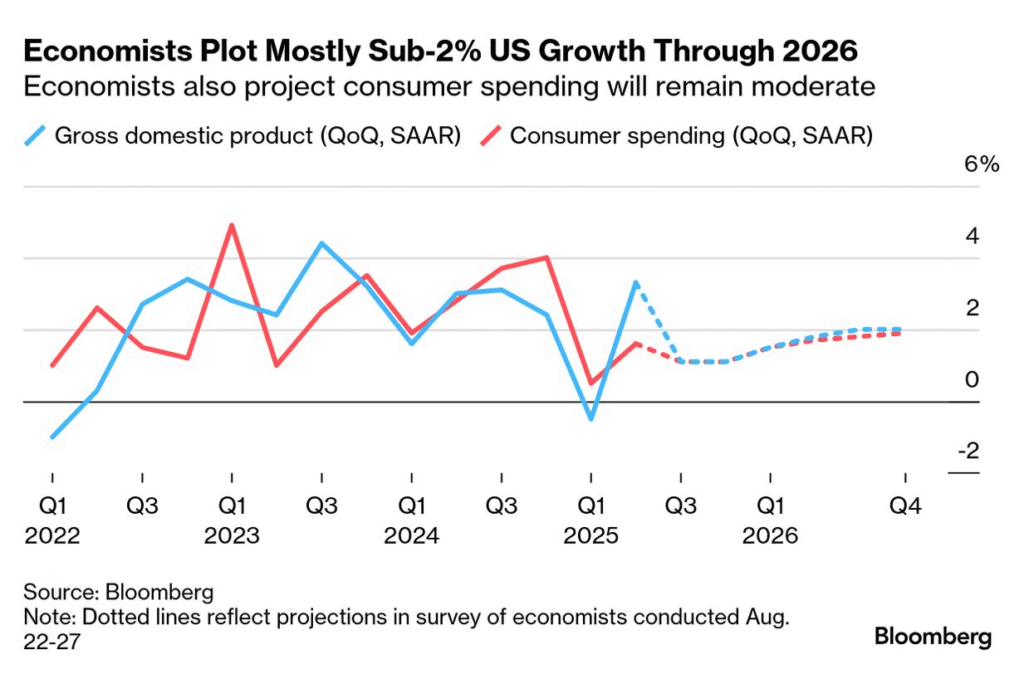
Economists suggest these inflation-linked increases will benefit approximately 95% of U.S. taxpayers, ensuring that modest wage growth doesn’t translate into higher effective taxes. The adjustments also support consumer spending — a critical factor in sustaining economic momentum through 2026.
6. How These Changes Affect Average Taxpayers
For most middle-income earners, the 2026 revisions could mean hundreds of dollars in annual tax savings. Workers whose pay has risen slightly to match inflation will likely avoid bracket creep. Retirees could see improved returns on investment due to higher capital gains thresholds, while families benefit from expanded credits.
Tax experts recommend revisiting withholding amounts and estimated payments early in 2026 to ensure compliance and avoid surprise tax bills at filing time.

7. Preparing for the 2026 Filing Season
Tax professionals encourage proactive planning to maximize deductions and credits under the new IRS framework. Tools like the IRS Tax Withholding Estimator and updated Publication 505 will help taxpayers calculate accurate withholding.
Business owners should also review expense deductions, depreciation rules, and Section 179 limits as inflation adjustments may impact eligibility. Keeping digital records and staying updated through IRS alerts will simplify the 2026 filing process.
8. The Bigger Picture: 2026 and Beyond
These adjustments mark another step toward a more inflation-responsive tax system. However, with the Tax Cuts and Jobs Act (TCJA) provisions expiring at the end of 2025, 2026 could also bring legislative changes depending on Congressional action. Lawmakers are expected to debate the future of standard deduction sizes and marginal rates throughout next year.
For now, the IRS’s inflation-driven revisions ensure stability, predictability, and relief — helping taxpayers retain more of their hard-earned income amid evolving economic conditions.
Final Takeaway
The 2026 IRS tax bracket and deduction adjustments reflect a proactive response to inflation and wage growth trends. While they won’t eliminate tax burdens entirely, they protect millions from unintended increases and reinforce the IRS’s goal of maintaining equity in the U.S. tax code.
Staying informed, planning early, and consulting a qualified tax advisor remain the best strategies for navigating the upcoming filing year with confidence.
#IRSTaxUpdate #TaxBrackets2026 #USATaxes #StandardDeduction #TaxCredit #FinanceNews #InflationAdjustment
Frequently Asked Questions (FAQs)
1. When do the 2026 IRS tax brackets take effect?
The 2026 tax brackets apply to income earned from January 1, 2026, through December 31, 2026. Taxpayers will use these rates when filing returns in early 2027.
2. How much is the standard deduction for 2026?
The standard deduction for single filers increases to $15,200, for married couples filing jointly to $30,400, and for heads of household to $22,000. These figures are adjusted annually to reflect inflation and cost-of-living changes.
3. Did the IRS increase the 2026 income tax brackets?
Yes. The IRS widened all seven income tax brackets (10% through 37%) to account for inflation, preventing “bracket creep.” This means most taxpayers will keep more of their earnings even if their wages rise slightly.
4. What are the 2026 capital gains tax thresholds?
The long-term capital gains rates of 0%, 15%, and 20% remain unchanged, but the income thresholds for each have increased by about 5%. This benefits investors, retirees, and individuals selling real estate or stocks.
5. How much is the estate tax exemption for 2026?
The federal estate tax exemption rises to approximately $14.8 million per individual (or $29.6 million for married couples). This allows more wealth to be transferred without triggering estate tax liability.
6. Are retirement contribution limits changing in 2026?
Yes. The 401(k) contribution limit increases to $24,500, and individuals aged 50+ can make an additional $7,500 catch-up contribution. This helps workers save more as inflation rises.
7. What is the foreign earned income exclusion for 2026?
For U.S. citizens working abroad, the foreign earned income exclusion increases to $132,000, up from $126,500 in 2025. This means expatriates can exclude more of their income from U.S. taxation.
8. Will inflation continue to affect future tax brackets?
Yes. The IRS adjusts brackets, deductions, and credits every year using the Chained Consumer Price Index (C-CPI-U) to ensure tax burdens reflect real purchasing power rather than nominal wage increases.
9. How can taxpayers prepare for the 2026 tax year?
Taxpayers should:
- Review their withholding and estimated payments early in 2026.
- Track changes to credits like the Child Tax Credit (CTC) and Earned Income Tax Credit (EITC).
- Consult a tax professional for personalized advice and deduction optimization.
10. Will the 2026 changes affect the expiration of TCJA provisions?
Yes. The Tax Cuts and Jobs Act (TCJA) provisions are scheduled to expire at the end of 2025, meaning some tax rates and deduction rules could revert unless Congress acts. Taxpayers should stay updated on new legislation heading into 2026.
✅ Final Insight
The 2026 IRS tax adjustments are a reflection of the agency’s ongoing efforts to protect taxpayers from inflation-driven tax increases. Staying informed and updating financial plans accordingly will ensure compliance — and potentially save you money when filing next year.