
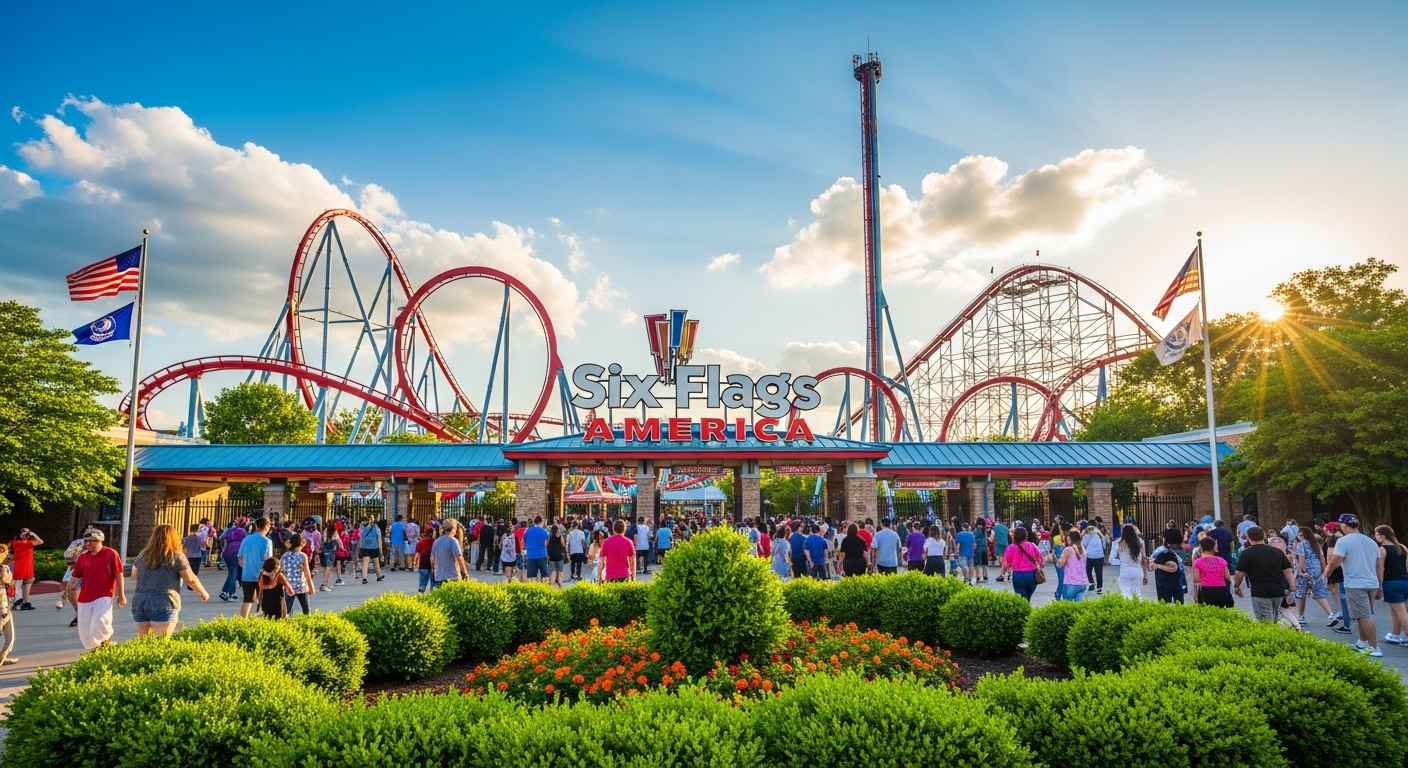
Six Flags America in Bowie, Maryland is closing after 50 + years of operation. Discover the history, reasons for shutdown, community impact and future redevelopment of the site.
Six Flags America Update — End of an Era and What Comes Next
For more than five decades, Six Flags America stood as a regional landmark for thrill-seekers, families, and amusement-park enthusiasts in the Washington, D.C. suburbs. Located in Bowie, Maryland, the park delivered hundreds of unforgettable memories across generations. As of the end of the 2025 season, however, the park is slated to close permanently, ushering in both nostalgia and uncertainty. This blog examines the park’s legacy, the reasons behind its closure, and the future of the site and community.
A Storied Legacy
What would become Six Flags America began in 1974 as a wildlife drive-through attraction called The Wildlife Preserve, founded on the 500-acre site near Bowie. Over time, the property transformed — eventually becoming Wild World, then Adventure World, before being acquired and re-branded by the Six Flags chain in 1999. AP News+2Wikipedia+2
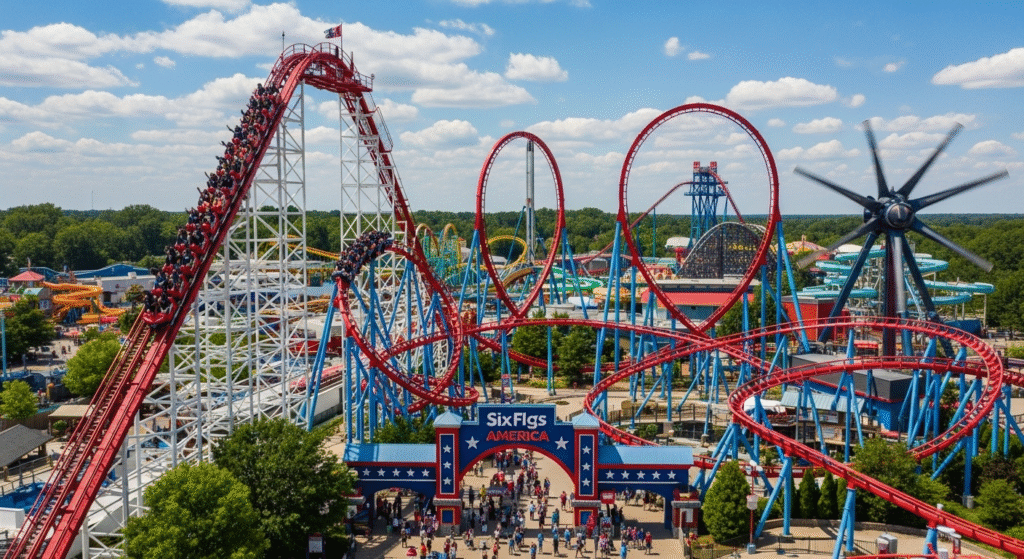
During its peak years, the park featured over 100 rides and attractions, including nine roller coasters, a separate water-park (Hurricane Harbor), and themed areas such as “SteamTown” unveiled in 2024. Wikipedia+1 Many visitors remember classics like the wooden coaster “Wild One,” steel thrill rides like “Superman: Ride of Steel,” and seasonal events that drew families and thrill-seekers alike.

Announcement of Closure
In May 2025, Six Flags Entertainment Corporation announced that Six Flags America (and the adjacent Hurricane Harbor water-park) would permanently close at the end of the 2025 season, with the final day set for November 2, 2025. AP News+2New York Post+2 The company cited a strategic review of its park portfolio, determining that the location was “not a strategic fit” for its long-term growth plans. The 500-acre site is to be marketed for redevelopment. New York Post
Local community leaders and park fans responded with mixed emotions. While some viewed the redevelopment opportunity as positive for the county’s future, many longtime visitors and employees lamented the loss of a hallmark community attraction. ABC7 Chicago+1
Why the Closure?
A combination of factors contributed to the decision:
- Strategic portfolio optimization: The parent company, amid a broader merger (with Cedar Fair Entertainment Company in July 2024) and financial pressures, sought to streamline operations and focus on higher-performing parks. Wikipedia+1
- Financial challenges: The park reportedly faced declining visitation, aging infrastructure, and rising maintenance costs—especially significant for older rides like the Wild One wooden coaster (originally built in 1912 and relocated here in 1986). New York Post+1
- Land value & redevelopment potential: The large acreage in Prince George’s County offered strong possibilities for redevelopment into mixed-use real estate, retail, residential or other commercial uses. Local officials have noted that the site operated at perhaps only 20% of its capacity for full development. ABC7 Chicago
Final Season and Farewell Moments
Throughout its last year, Six Flags America offered guests a chance to reflect on its legacy. Fans poured in for a “last ride” experience; wait times exceeded two hours for popular coasters on the park’s final weekend. EW.com
One symbolic moment: the coaster Batwing (a steel “flying” coaster) was taken out of operation ahead of schedule and marked with a sign that read: “Soaring since 2001… this ride has taken its final flight. Thank you for the memories.” Wikipedia
Park employees—about 70 full-time staffers plus numerous seasonal workers—were offered severance, benefits, and support in the wind-down. The water-park Hurricane Harbor closed earlier in the year, in September 2025. Wikipedia

Impact on the Community
The closure of such a longstanding attraction carries real implications:
Economic & employment effects: The park generated around $3 million in annual tax revenue for the county, provided summer employment for teenagers and seasonal workers, and supported local hospitality and retail businesses. With the closure, these support structures will face transition. ABC7 Chicago
Cultural & social loss: For many, Six Flags America was a place of childhood memories, family outings, rookie date nights and thrill-rides with friends. Local residents voiced sadness and nostalgia, calling it the “end of an era.” The Independent+1
Future land uncertainty: While redevelopment holds promise, transitions rarely happen overnight. The community will watch closely for what replaces the park—whether new jobs, housing, entertainment zones or other infrastructure. County officials pledged a “thoughtful and inclusive redevelopment process” that supports jobs, growth and long-term benefit. AP News

What Happens to the Rides?
A key question for fans and memorabilia collectors: What will become of the park’s attractions? The company has indicated that rides could be sold or relocated to other parks—though detailed plans have not yet been disclosed. People.com
Iconic rides like Wild One (108 years old!) and Firebird have vintage value; fans of the roller-coaster community have advocated strongly for preservation or relocation of such historic assets. EW.com
Lessons and Strategic Implications for the Theme-Park Industry
The closure of a major park like Six Flags America offers broader lessons for the amusement-park sector:
- Portfolio focus matters: Theme-park operators are increasingly optimizing global portfolios—closing underperforming sites while investing in flagship destinations and new experiences.
- Land value pressure: Large real-estate footprints near urban areas often attract redevelopment value that outweighs park operation returns.
- Lifecycle of attractions: Older parks face higher capital costs for maintenance, regulations, insurance and ride refurbishment. Without significant reinvestment, aging infrastructure becomes a liability.
- Community relations are key: As parks evolve or close, transparent communication with local governments, employees and guests can mitigate negative perceptions and support smoother transitions.
- Brand legacy vs. profitability: While emotional value and nostalgia are strong, they don’t always align with corporate strategy. Balancing guest sentiment and financial reality is essential for long-term viability.
What’s Next for the Site?
While Six Flags America will cease operations, the story continues in new forms:
- Redevelopment potential: The 500-acre site could become a mixed-use development, retail park, residential community, or new entertainment hub. The county has signalled openness to proposals that provide jobs, community benefit and economic activation.
- Industry ripple effects: Visitors in the Mid-Atlantic region will now have to travel farther to the nearest Six Flags park (such as Six Flags Great Adventure in New Jersey). This shift could influence regional attendance patterns and competition among theme-park operators.
- Preservation efforts: Enthusiasts are watching closely to see whether historic rides are relocated or scrapped. If iconic attractions are saved, they may find new life in other parks or museums.
- Legacy initiatives: Former employees and community groups are documenting the park’s history—photo archives, oral histories and fan gatherings may preserve memories for decades to come.
Why the Closure Deserves Attention
At a time when family entertainment, local jobs and regional tourism are under pressure, the closure of a major amusement park is more than a business story—it’s a community narrative. Six Flags America’s wind-down highlights the intersection of corporate strategy, urban real estate development, local economies, and popular culture.
For visitors, the park was not just “fun rides” — it was part of summer traditions, birthday celebrations, and even first jobs. Its closing resonates not only with local families but with the broader theme-park industry and urban redevelopment observers.
Final Thoughts
Six Flags America’s story is a rich mix of thrills, nostalgia and change. From its beginnings as a wildlife preserve in the 1970s to a full-scale theme-park brand, it captured five decades of memories. Now, as its gates close for the final time after November 2, 2025, the focus shifts to what comes next—for the land, the community and the legacy.
Whether you remember the roar of a roller coaster, the excitement of a water slide, or summer jobs in the park, the end of Six Flags America marks a poignant transition. But change also brings opportunity — for redevelopment, reinvention and new forms of entertainment. As the site’s next chapter begins, its story remains an important case study in how amusement parks evolve in the 21st century.
SixFlagsAmerica #ThemeParkClosure #BowieMaryland #AmusementParkNews #SixFlagsUpdate #RollerCoasterFans #CommunityImpact #ParkLegacy #ThemeParkIndustry
Frequently Asked Questions (FAQs)
1. Why is Six Flags America closing?
Six Flags America is closing at the end of the 2025 season as part of a corporate restructuring and portfolio optimization by Six Flags Entertainment Corporation. The company stated that the Maryland park was no longer a “strategic fit” for long-term operations, and the valuable 500-acre property will be redeveloped for future commercial or mixed-use purposes.
2. When will Six Flags America officially close?
The final operating day for Six Flags America is November 2, 2025. After this date, the park — including Hurricane Harbor waterpark — will permanently close to the public.
3. What will happen to the Six Flags America rides?
Many of the park’s rides and attractions are expected to be dismantled, sold, or relocated to other Six Flags parks across the U.S. While some older rides like “Wild One” may be retired due to age, iconic attractions could find new homes at other company properties.
4. What will replace Six Flags America in Bowie, Maryland?
The 500-acre site will likely be redeveloped for commercial, residential, or mixed-use projects. Local officials in Prince George’s County have expressed interest in projects that bring new jobs, retail centers, and community spaces to replace the amusement park.
5. How many years was Six Flags America open?
Six Flags America operated for more than 50 years, originally opening in the 1970s as a wildlife preserve before evolving into Wild World, Adventure World, and eventually the Six Flags America we know today.
6. What will happen to Six Flags America employees?
The park’s full-time and seasonal employees are receiving support packages, job-placement assistance, and severance pay where applicable. Six Flags has encouraged affected staff to apply for positions at nearby parks within its network.
7. Which Six Flags park is closest to Maryland after the closure?
Once Six Flags America closes, the nearest Six Flags park for Maryland residents will be Six Flags Great Adventure in Jackson, New Jersey — located about three hours away by car.
8. How has the local community reacted to the closure?
The closure announcement sparked a mix of nostalgia and disappointment in the Bowie community. Many locals shared memories of growing up visiting the park, while community leaders expressed optimism that new redevelopment could bring future opportunities for residents.
9. Will Six Flags America ever reopen under a new name?
There are no current plans to reopen or rebrand Six Flags America. Once the park is closed and the land is sold or redeveloped, the amusement-park operations in Bowie are considered permanently discontinued.
10. How does the Six Flags America closure affect the amusement-park industry?
Industry experts see the closure as part of a larger trend where amusement-park operators focus on fewer but more profitable parks, investing in innovation and high-traffic destinations. It also reflects how real-estate value can influence the fate of long-standing entertainment venues.
11. What is the history behind Six Flags America’s “Wild One” roller coaster?
“Wild One” is one of the oldest wooden roller coasters in the U.S., originally built in 1912 for Paragon Park in Massachusetts and relocated to Maryland in 1986. It became a symbol of the park’s heritage and will remain a nostalgic highlight among coaster enthusiasts.
12. What can visitors do now that Six Flags America is closed?
After the park’s closure, families in the region can explore other theme-parks and attractions such as Busch Gardens Williamsburg, Hersheypark, and Kings Dominion — all within a few hours’ drive from the D.C. metro area.
13. What lessons does the Six Flags America closure teach about business strategy?
The park’s closure demonstrates how entertainment companies balance emotional brand value with economic performance. Strategic mergers, rising maintenance costs, and evolving customer expectations require continuous adaptation — even if it means saying goodbye to a beloved local landmark.