
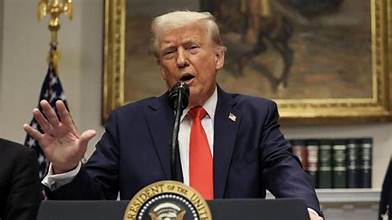
President Donald Trump has publicly asked the Justice Department to investigate Jeffrey Epstein’s relationships with prominent individuals and institutions. Explore the context, the implications, and the key questions raised by this development.
1. Introduction: A Bold Call to Investigation
On November 14, 2025, President Donald Trump took to his social-media platform to announce that he would ask the Justice Department, together with the FBI, to investigate the network of convicted sex-trafficker Jeffrey Epstein — specifically his ties to high-profile figures and major institutions including former President Bill Clinton, prominent financiers like Larry Summers, and major banks such as J.P. Morgan Chase. ABC News+1
In a statement he wrote:
“I will be asking A.G. Pam Bondi, and the Department of Justice, together with our great patriots at the FBI, to investigate Jeffrey Epstein’s involvement and relationship with Bill Clinton, Larry Summers, Reid Hoffman, J.P. Morgan, Chase, and many other people and institutions, to determine what was going on with them, and him. Stay tuned!!!” ABC News
This announcement reignites long-standing controversies surrounding Epstein’s relationships with elite figures, the delayed release of the “Epstein files,” and questions of political and institutional accountability. But the call also raises significant legal, procedural and credibility issues.
2. The Background: Epstein, His Network and Politics
Jeffrey Epstein, a financier and convicted sex offender, died by apparent suicide in a New York jail in August 2019, while awaiting trial on federal sex trafficking charges. The case has since spawned numerous investigations, civil lawsuits, and widespread public interest regarding his extensive network of high-profile contacts.
Over the years, numerous emails, visitor logs, and legal filings have hinted at his connections with world-leaders, business magnates and celebrities. Governments, human-trafficking watchdogs and victim-advocacy groups have long sought a so-called “client list” or full disclosure of his relationships.
In 2025, the House of Representatives moved to force the release of remaining files through legislation (the Epstein Files Transparency Act) that would require the DOJ to declassify and publish its documents relating to Epstein. Wikipedia
Trump himself had social connections with Epstein decades ago (as did many elite U.S. figures). Though he has repeatedly denied wrongdoing in Epstein’s criminal enterprise, this recent request to the DOJ shifts focus toward others allegedly connected to Epstein.
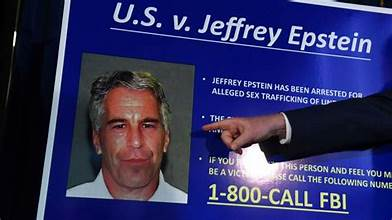
3. What Trump Is Asking For – And What He’s Not
What He Wants
- Trump is publicly demanding the DOJ and FBI investigate Epstein’s relationships with a defined list of individuals and institutions: Bill Clinton, Larry Summers, Reid Hoffman, J.P. Morgan Chase, among others. ABC News+1
- He’s suggesting a wide-ranging probe into what was going on between Epstein and these figures — implying potential wrongdoing or hidden misconduct.
- He is calling for transparency and accountability—at least publicly—by demanding the release of those investigation results and presumably full disclosure of the files.
What He’s Not
- The statement does not mention a specific statute or criminal charge. It is an appeal for investigation rather than a formal direction to prosecute.
- Trump is not recommending the appointment of a special prosecutor, according to the White House. The Wall Street Journal
- The announcement does not promise immediate release of documents or guarantee prosecution of any named individual.
- Several victims’ attorneys say they still haven’t been contacted by the DOJ or FBI, which raises doubts about the initiative’s operational status. The Guardian
4. Key Figures Named in Trump’s Request
- Bill Clinton: Former U.S. President whose name has surfaced repeatedly in Epstein-related documents; he has denied knowing about Epstein’s trafficking network. ABC News
- Larry Summers: Former Treasury Secretary and Harvard President; his inclusion signals attention to institutional ties in finance and academia. NBC Philadelphia
- Reid Hoffman: Co-founder of LinkedIn and prominent tech investor; his naming shows the breadth of potential targets (technology, business).
- J.P. Morgan Chase: Major U.S. banking institution; its mention points to systemic concerns of finance and possibly money flows tied to Epstein’s network.
By naming institutions as well as individuals, the request suggests investigators should look not purely at interpersonal relationships but also institutional complicity or oversight.
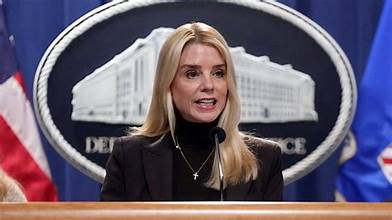
5. Legal & Institutional Considerations
DOJ Authority
The DOJ has broad authority to investigate criminal activity, including sex trafficking, money-laundering and conspiracies tied to high-profile individuals. The FBI plays the investigative arm in major cases. Trump’s request, if formalised, could prompt referrals, grand-jury subpoenas and asset-forfeiture actions.
Challenges
- Statute of limitations: Some alleged conduct involving Epstein may date back more than a decade, which could preclude criminal charges unless new evidence arises.
- Evidence requirements: Naming someone in a file is not sufficient for indictment; prosecutors need admissible proof of a crime (intent, knowledge, participation). The DOJ and FBI previously concluded there was no additional evidence to support broader prosecutions beyond Maxwell and Epstein. The Washington Post+1
- Institutional resistance: High-profile investigations face political pressure, media scrutiny, and potential conflicts of interest when elites are implicated.
- Victim-engagement: Attorneys representing Epstein survivors have complained the DOJ has not contacted them despite promises. The Guardian
Transparency vs. Confidentiality
While Trump’s request emphasizes disclosure, the DOJ has cited confidentiality concerns and grand-jury secrecy rules to justify withholding full records. A 2025 memo asserted there was no client list and no murder conspiracy in Epstein’s death. TIME
6. Political Implications & Motivations
Trump’s motivations may be multifaceted:
- Political strategy: By shifting focus to Clinton, Summers, Hoffman and others, Trump frames the Epstein investigation as a partisan issue, implying wrongdoing in his political opponents’ circles.
- Deflection: Trump himself had documented social ties to Epstein; by calling for investigation into others, he may be attempting to reposition the narrative away from his own past.
- Election roadmap: With 2026 and 2028 elections ahead, transparency about alleged wrongdoing could galvanise his base and frame him as the candidate fighting corruption at the top tiers of power.
- Institutional leverage: The naming of major banks and institutions signals an expansive vision of accountability—a message that resonates with populist-economic concerns about elite networks.
Critics argue the move may be more symbolic than substantive, pointing to the lack of immediate action, the absence of special-prosecutor appointment, and the continued inaction toward many survivors.
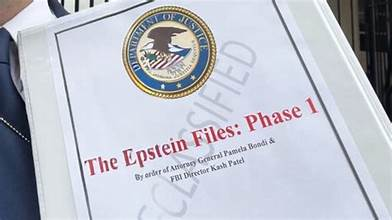
7. How the Media & Victim Advocates Are Responding
Media Reaction
Major outlets such as ABC News reported the announcement. ABC News Investigative reporters highlight the contradiction between Trump’s public call and the DOJ’s previous decision to halt further prosecutions. Observers question whether this is primarily a public-relations move.
Victim Advocates
Survivor-advocacy attorneys expressed frustration: despite public commitments, they claim zero contact from the DOJ regarding those investigations. The Guardian Some argue the DOJ is still prioritising protection of powerful defendants rather than outreach to survivors.
Congressional Oversight
Democrats are pushing for hearings. Attorney General Pam Bondi faces calls to testify after reports she informed Trump his name appeared in Epstein files. AP News In the House, a discharge petition has forced a vote on the Epstein Files Transparency Act, compelling document release. Wikipedia
8. Risks and Opportunities
Potential Risks
- If the investigation leads nowhere, Trump’s credibility may suffer among supporters who expect action.
- High-profile probes risk backlash from institutions or individuals named, possible counter-lawsuits or reputational damage.
- Transparency demands may expose politically sensitive materials, creating instability or legal complications.
Potential Opportunities
- A legitimate, thorough investigation could bring new accountability to the Epstein network and provide closure for victims.
- If major figures or institutions are found complicit, it would represent a historic legal and ethical turning point.
- Should Trump be viewed as delivering on a promise of transparency and justice, his political capital could increase significantly.
9. What’s Next? Timeline & Expectations
- Formal referral: Trump’s statement triggers the DOJ/FBI to evaluate the named individuals and institutions, determine if evidence exists—and decide whether to open formal investigations.
- Survivor outreach: DOJ should contact survivors and witnesses, gather new evidence, and assess previously sealed records.
- Congressional hearings: Senators and Representatives (e.g., Adam Schiff) may subpoena Bondi, FBI Director Kash Patel and others for testimony.
- Document release: Under the Epstein Files Transparency Act or related actions, the public may see additional records, logs or files from DOJ.
- Public update: Either prosecutions or public dismissal of the case may occur, with Trump and DOJ offering an update on findings.
10. Expert Commentary
Legal analysts caution that naming someone in a file is not proof of criminal behavior. One expert explained:
“The DOJ must show intent, knowledge and participation. A social tie or email mentioning someone doesn’t suffice for prosecution.”
Another commentator noted the shift in Trump’s posture:
“He is repositioning himself as a champion of transparency—even as his own associations remain under scrutiny. The political gamble is clear.”
Comparison: Proposed DOJ Investigation into Jeffrey Epstein Case vs Previous Epstein Investigations
| Feature | Current Trump-DOJ Request (Nov 2025) | Prior Epstein Investigations (2019-2025) |
|---|---|---|
| Initiated by | President Donald Trump publicly asking DOJ & FBI to probe ties (Clinton, Summers, Hoffman, JPMorgan) ABC News+1 | DOJ/FBI investigations into Epstein trafficking, Maxwell sentencing, no new client list revealed People.com+1 |
| Scope | Broad: individuals + institutions, elite networks | Narrower: Epstein & Maxwell, trafficking charges, not large-scale elite investigations |
| Key named figures | Bill Clinton, Larry Summers, Reid Hoffman, JPMorgan Chase Spectrum Local News | Epstein, Maxwell, some aides; no high-profile client list publicly validated |
| Oversight & transparency | Call for document release via the Epstein Files Transparency Act Wikipedia | Previous memo said no client list; documents redacted & closed People.com+1 |
| Political context | Highly partisan, tied into 2026/28 election dynamics | Legal and investigative context, less overtly political |
| Risk & credibility | High risk—if investigation leads nowhere, credibility on line | Lower political risk—legal process was already moving |
| Potential outcome | New investigations of prominent figures; document release | Further prosecutions unlikely; status quo maintained |
Quick Insight:
President Trump’s public call for a DOJ investigation marks a shift from previous legal investigations toward a politically charged transparency initiative—with unknown outcomes and high stakes.
11. Conclusion
President Trump’s call for the Justice Department to investigate Jeffrey Epstein’s ties to high-profile individuals marks a dramatic moment in one of the most enduring and controversial scandals of our time. It blends politics, justice, elite networks and public demand for accountability. Whether this initiative yields real prosecutions or collapses into a symbolic gesture will shape how the American public—and history—judges this effort.
For now, the request elevates the stakes, broadens the scope of the Epstein saga and signals that no corner of power is out of bounds—at least publicly. The coming months, as investigations unfold, may determine whether this moment leads to breakthroughs—or becomes another chapter in an unfinished story of influence, complicity and justice.
#EpsteinInvestigation #TrumpDOJ #JeffreyEpstein #HighProfileTies #DOJProbe #PoliticalNews #JusticeSystem #TransparencyNow #EpsteinNetwork #Trump2025
Frequently Asked Questions (FAQs):
1. Why did Donald Trump ask the DOJ to investigate Jeffrey Epstein’s ties?
President Donald Trump requested the Department of Justice and FBI to investigate Epstein’s relationships with several high-profile figures after newly surfaced documents and public pressure reignited questions about the depth of Epstein’s network. The goal, according to Trump, is to uncover whether powerful individuals or institutions were involved in or aware of Epstein’s activities.
2. Who are the key figures mentioned in Trump’s call for investigation?
Trump specifically named former President Bill Clinton, economist Larry Summers, businessman Reid Hoffman, and financial giant JPMorgan Chase. These names appeared in recently released documents and have long been part of discussions surrounding Epstein’s social and financial circles.
3. Has the DOJ previously investigated Epstein’s connections?
Yes. The DOJ and FBI have conducted multiple investigations into Epstein and Ghislaine Maxwell since 2019. However, previous investigations did not release a confirmed “client list,” and many documents remained sealed or heavily redacted. Trump’s new request pushes for broader scrutiny and transparency.
4. Is there an actual Epstein “client list”?
According to past DOJ findings, no official “client list” was ever recovered. Many public claims about such a list are unverified. Trump’s push emphasizes releasing remaining files so the public can see all documented associations—even if no formal list exists.
5. What is the Epstein Files Transparency Act?
The Epstein Files Transparency Act is a bipartisan bill aiming to declassify and release all government-held Epstein-related documents. Trump’s request aligns with the rising pressure to pass this act and make long-sealed records public.
6. How might this investigation affect high-profile individuals?
If the DOJ reopens or expands investigations, public scrutiny could increase significantly. While not all named individuals are accused of wrongdoing, their connections to Epstein could face renewed legal and media examination.
7. Could this lead to new criminal charges?
It is unclear. Legal experts say that unless new evidence emerges, criminal charges are unlikely. However, releasing sealed documents may reveal previously unknown details that could trigger further legal action.
8. Why is this issue resurfacing now?
Recent document dumps, political debates, and increasing public demand for transparency have revitalized interest in Epstein’s network. Trump’s comments amplified the conversation and placed direct pressure on federal agencies.
9. What does this mean for the DOJ and FBI?
If the DOJ acts on Trump’s request, it would need to review old case files, reevaluate sealed evidence, and potentially question high-profile individuals. This could become one of the most publicized federal reviews in years.
10. Will the public get access to Epstein’s full files?
If the Transparency Act passes—or if the DOJ voluntarily releases redacted documents—the public may finally gain access to the remaining Epstein files. However, legal and privacy restrictions may still limit full disclosure.