
Former President Donald Trump proposes $2,000 “tariff dividend” payments to most Americans funded by tariff revenue. Explore who qualifies, how it could work, and what the risks and implications are.
Trump’s $2,000 Tariff Dividend: A Bold Proposal With Many Moving Parts
On November 9 2025, President Donald Trump announced on his social-media platform that “a dividend of at least $2,000 a person (not including high income people!) will be paid to everyone,” signaling his plan to use tariff revenues collected by his administration to fund direct payments to Americans. People.com+2The Economic Times+2
The idea is striking: turn tariff revenue into a stimulus-type payment for Americans. But beneath the headline lie complex questions about eligibility, financing, economic impact and legal viability.
What Exactly Was Announced?
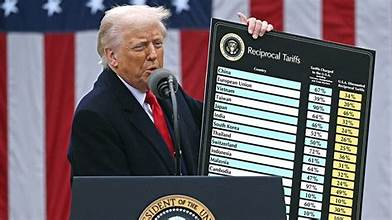
- Trump declared that most Americans — excluding high-income individuals — would receive $2,000 each, paid out of tariff revenue. The Guardian+1
- The announcement did not include detailed eligibility criteria, distribution mechanics or a legislative roadmap. The Wall Street Journal
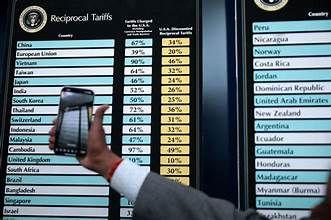
- The administration reported $195 billion in tariff revenue from January to September 2025 (Treasury figures) and stated that part of this revenue would begin paying down the national debt. People.com+1
Why Now? Understanding the Policy Context
Tariff Revenue as a Funding Source
Trump has made tariffs central to his economic agenda, framing them as both protectionist tools and revenue-generating mechanisms. With significant tariff revenue collected in 2025, the proposal leverages that income stream for direct payouts.
Economic and Political Motivations
- Politically, a $2,000 payment has broad appeal — especially among working- and middle-income voters.
- Economically, it casts tariffs not only as trade policy instruments but as means of fiscal redistribution.
- Strategically, the move may reinforce Trump’s “economic populism” narrative: tariffs reap revenue, that revenue goes to American families.
Legal & Institutional Pressures
The proposal arrives amid legal scrutiny of Trump’s broad tariff powers (for example, the Supreme Court’s review of certain tariffs) and a push for visible economic benefits to rally support. The Wall Street Journal
Who Would Qualify — And What Are The Costs?
Eligibility
- As announced, high-income individuals are excluded — but no specific income threshold was provided. The Times of India
- Previous proposals (from Sen. Josh Hawley, for example) suggested a $600 rebate per adult and dependent child. People.com+1
- If eligibility were broad (e.g., all adults under a certain income), cost estimates grow steep — potentially $300 billion–$500 billion or more. The Guardian+1
Financing Questions
- While $195 billion in tariff revenue by September sounds large, the payout cost may exceed that by a wide margin. The Guardian
- Economists caution that tariffs impose costs on consumers (via higher import-prices) and businesses, which may offset any rebate benefit.
- Legal and legislative mechanisms would be required to convert tariff revenue into direct payments; this is not automatic.
Economic Implications & Risks
Potential Benefits
- A one-time payment could boost consumer spending and offset tariff-related cost burdens for many households.
- It strengthens the narrative that tariff policies can deliver tangible benefits to Americans directly.
Potential Risks
- Inflation concerns: Tariffs already increase costs; injecting a large rebate could fuel further domestic demand pressure.
- Budgetary strain: If tariffs decline or imports shift, the funding base for the payments may erode.
- Legal challenges: Some tariffs are under court review; using that revenue for rebates could face constitutional or statutory hurdles. The Wall Street Journal
- Distribution logistics: Designing, legislating, and executing billions of payments is complex and time-consuming.
Political and Strategic Implications
For Trump and the GOP
- The plan reinforces Trump’s populist economic brand: trade policy as a revenue-tool for ordinary citizens.
- It may pressure Republicans who are skeptical of rebates or wary of debt implications.
- If delivered successfully, it could be a powerful campaign promise ahead of upcoming elections.
For Democrats and Moderates
- Democrats will weigh the political appeal of $2,000 payments against the risk of endorsing tariff policies they may oppose.
- They may push for more targeted eligibility or integration with broader relief programs (e.g., health subsidies, child tax credits).
For Business and Trade Policy
- U.S. importers, exporters and foreign trading partners will watch this closely; tariffs as a revenue-redistribution tool may provoke retaliation or policy instability.
- It reinforces the idea that trade policy is increasingly domestic-facing rather than purely international.
What Comes Next — Timeline & Challenges
Legislative Route
- Payments could only occur if Congress passes legislation specifying distribution, eligibility and funding. Trump’s announcement alone does not suffice.
- Treasury officials have stated prioritising debt reduction and that distribution mechanics remain undefined. The Economic Times
Implementation Issues
- Establishing eligibility thresholds, verifying income levels, distributing payments (checks, direct deposit, tax credits) and auditing use will all take time.
- Timing matters: Some analysts estimate payments could arrive in late 2025 or early 2026 — if at all.
Monitoring Indicators
- Watch for bill introduction in Congress, budgetary scoring by CBO/OMB, reactions from business/trade groups and legal footholds.
- The Supreme Court’s ongoing review of tariff executive powers is a wildcard — if that ruling limits tariff use, revenue stream may shrink.
- Consumer inflation, import volumes and trade deficits will influence the efficacy and cost of the program.
Expert Analysis
Most economists agree the proposal is bold — but they caution that tariffs are a flawed substitute for direct tax revenue or policy designed for broad equity. Tariffs raise revenue but also raise costs for consumers and businesses. Using them for a large rebate may create a political win but economic complications.
One senior trade economist noted: “Turning import-tax revenue into stimulus payments flips the logic of tariffs — from protection to redistribution. The theory is clean, but the fiscal foundation is shaky given elasticity of imports and global supply chains.”
In terms of governance, experts emphasise: collecting revenue is one thing — directing it through proper legislative and administrative channels is another. Without congressional backing and clear frameworks, the plan risks being symbolic rather than substantive.
Summary & Key Takeaways
- Donald Trump has proposed $2,000 payments to most Americans funded by tariff revenues.
- Details on eligibility, distribution mechanism and legislation remain vague.
- Estimated cost may exceed collected tariff revenue, raising questions about funding viability.
- While politically potent, the plan faces economic, logistical and legal hurdles.
- The initiative underscores the shift in trade policy toward domestic redistribution — not just international leverage.
#TariffDividend #Trump2025 #EconomicPopulism #TradePolicy #StimulusCheck #USEconomy #Tariffs #AmericansRebate #FiscalPolicy #PoliticalEconomy
Frequently Asked Questions (FAQs)
Q1. Who will receive the $2,000 payment?
The announcement says “most Americans” excluding “high-income people,” but no official eligibility threshold has been published yet. The Economic Times+1
Q2. When will the payments be made?
Timing is unclear — possible distribution could occur late 2025 or early 2026 if legislation is passed.
Q3. How will the payments be funded?
Via tariff revenues collected by the federal government. The treasury reported $195 billion in collections for Jan–Sept 2025. People.com+1
Q4. Does Congress need to approve this?
Yes. Direct payments will require legislation specifying funding, distribution and eligibility. Trump’s announcement alone does not make it law.
Q5. What are the economic downsides?
Tariffs raise consumer and business costs. Payments may increase inflation, strain budgets, and are vulnerable if import volumes decline.
Q6. Could the plan be blocked legally?
Possibly. Some tariffs are under Supreme Court review. If presidential tariff authority is limited, funding could shrink. The Wall Street Journal
Q7. Is this the first time Trump has proposed a tariff-funded rebate?
No. Earlier in 2025 the idea of using tariff revenue to issue rebates (like $600 per adult/child) was floated — but met resistance from GOP senators. The Washington Post