

A landmark $48.7 billion merger brings Tylenol, Kleenex, Band-Aid, and more under one roof, forming a global powerhouse in consumer health and personal care innovation.
Tylenol, Kleenex, Band-Aid and More United in $48.7 Billion Global Consumer Brands Deal
A Mega Merger in the Consumer Health World
In one of the largest consumer brand mergers in recent years, two global giants have joined forces — uniting household names like Tylenol, Band-Aid, Kleenex, Listerine, and Neutrogena under a single corporate umbrella. Valued at $48.7 billion, this deal marks a significant milestone in the evolution of the consumer health and personal care industry.
The merger aims to create a global powerhouse in wellness, hygiene, and everyday healthcare, bringing together some of the world’s most trusted brands that millions of consumers rely on daily. With such an extensive portfolio, the combined company is set to redefine convenience, trust, and innovation in personal care products.
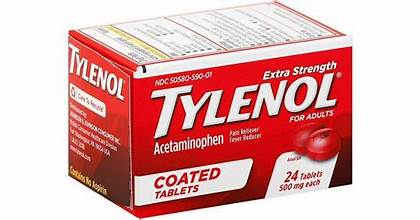
Background: Two Titans Becoming One
For decades, both companies involved in this merger have shaped the modern consumer landscape. One has been recognized for its innovative over-the-counter medicines and healthcare products, while the other has become synonymous with personal hygiene and home essentials.
The deal, valued at nearly $50 billion in cash and stock, is expected to be finalized by late 2026, pending regulatory approval. Once completed, the new conglomerate will generate an estimated $30–32 billion in annual revenue, with a presence in over 175 countries.
Industry experts say this merger is about more than just size — it’s about strategic balance, combining trusted heritage brands with the potential for innovation in wellness, sustainability, and global accessibility.
What the Deal Means for Consumers
The merger brings under one roof products that serve virtually every age group and lifestyle. Whether it’s Tylenol for pain relief, Band-Aid for first aid, Kleenex for daily hygiene, or Neutrogena for skincare, the combined lineup represents trust built over generations.
For consumers, this merger could mean:
- Wider accessibility: Enhanced global distribution channels will make essential products available in new markets.
- Product innovation: Merging R&D capabilities could fast-track advancements in health and hygiene formulations.
- Sustainability efforts: A shared focus on sustainable packaging and ethical production could strengthen environmental commitments.
- Streamlined pricing and availability: With increased scale, production efficiencies may stabilize pricing and ensure consistent supply worldwide.
However, experts also caution that such massive consolidations can sometimes lead to reduced competition or slower product diversification — a balance the new company will need to manage carefully.
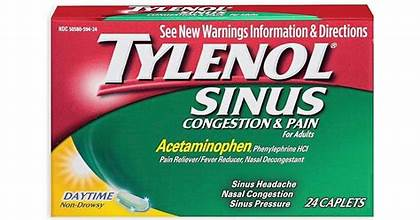
Strategic Goals of the Merger
The purpose of this merger isn’t just expansion — it’s transformation. According to industry analysts, the deal focuses on three primary strategic objectives:
- Building a Unified Health & Hygiene Platform
By integrating healthcare, beauty, and hygiene under one umbrella, the company can better serve evolving consumer needs, especially in a post-pandemic era where wellness is top priority. - Leveraging Iconic Brand Equity
Each of the merged brands — from Tylenol’s medical trust to Kleenex’s everyday comfort — has powerful brand equity. The merger allows the new entity to use this recognition to strengthen cross-category marketing and global sales. - Driving Innovation and Research
With combined R&D resources, the group can focus on areas like biotech skincare, sustainable hygiene materials, and digital health solutions, setting the stage for future-ready consumer wellness.
Economic and Industry Impact
The merger represents a growing trend in the global consumer goods sector — where legacy companies seek scale and synergy to remain competitive against smaller, digital-native brands.
From an economic standpoint:
- The new company could rank among the top five global consumer health firms.
- Analysts expect cost savings of up to $2 billion annually within three years through streamlined supply chains and operational efficiencies.
- The merger could also stimulate innovation across related sectors like packaging, healthcare logistics, and e-commerce.
On the flip side, market watchers predict close antitrust scrutiny from regulators, especially in the U.S. and Europe, given the concentration of major healthcare brands under one organization.
Challenges Ahead
While the merger offers enormous potential, integration challenges remain. Aligning corporate cultures, merging operations, and protecting individual brand identities will require careful management.
Additionally, the new company will have to navigate:
- Public trust issues around healthcare product safety.
- Global economic pressures, including inflation and supply chain volatility.
- Sustainability mandates and growing consumer expectations for eco-friendly production.
Industry experts emphasize that the key to success lies in maintaining transparency, ensuring product affordability, and innovating responsibly without compromising brand heritage.
Global Outlook: The Future of Consumer Health
The merger reflects a broader industry movement — one where consumer health, personal care, and wellness increasingly intersect. As lifestyles evolve, the lines between medicine, hygiene, and beauty continue to blur.
By combining pharmaceutical reliability with daily utility brands, this merger positions the new entity to serve the modern consumer’s holistic well-being — a trend expected to define the next decade.
Experts suggest that this consolidation could inspire similar partnerships across the industry, as companies strive to offer comprehensive, trusted solutions for everyday living.
Expert Analysis
From a business standpoint, this deal represents a textbook example of vertical and horizontal integration done right — merging complementary strengths rather than overlapping ones. It expands market reach, builds operational synergy, and enhances resilience in a competitive landscape.
However, much depends on post-merger execution. If leadership successfully harmonizes operations while retaining brand authenticity, this new consumer health titan could become a global benchmark for innovation and trust.
Still, the stakes are high — and so are consumer expectations. The world will be watching how this new entity upholds the legacy of the brands it now represents.
Conclusion
The $48.7 billion merger uniting Tylenol, Kleenex, Band-Aid, and other leading names marks the dawn of a new era in consumer wellness. Beyond the financial scale, it represents a commitment to evolving global health, enhancing accessibility, and strengthening trust across generations.
As these iconic brands join forces, one thing is clear — the future of everyday healthcare is getting bigger, smarter, and more connected than ever before.
#Tylenol #Kleenex #BandAid #ConsumerHealth #WellnessMerger #HealthcareNews #GlobalBrands #InnovationInWellness #HygieneIndustry #BusinessNews
Frequently Asked Questions (FAQs)
1. What is the value of the Tylenol-Kleenex merger?
The deal is valued at approximately $48.7 billion, combining healthcare and personal care giants into one company.
2. What brands are included in the merger?
Major brands like Tylenol, Band-Aid, Listerine, Neutrogena, Kleenex, Huggies, and Cottonelle are now part of the combined portfolio.
3. When will the merger be completed?
The transaction is expected to close by late 2026, subject to shareholder and regulatory approval.
4. How will this affect consumers?
Consumers may benefit from improved innovation, global reach, and availability of trusted products under unified management.
5. Will there be price changes after the merger?
While large mergers often lead to cost efficiencies, pricing depends on market dynamics and production factors. The companies aim to maintain affordability.